Confirming it's bed bugs
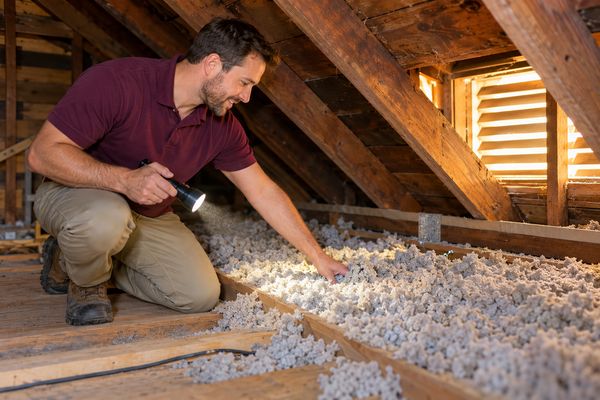
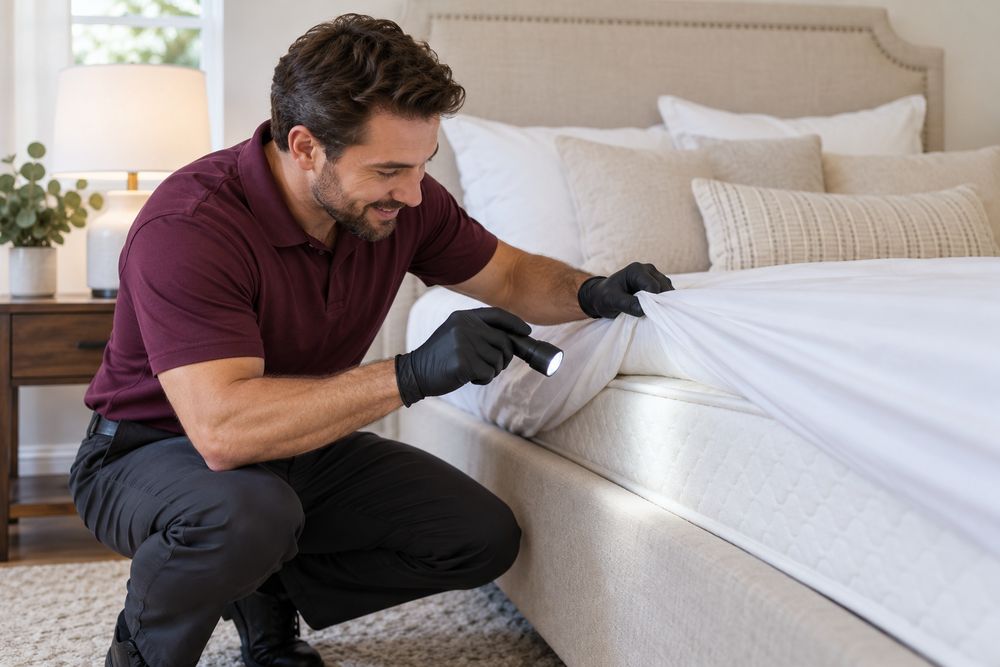
Bites alone don't prove much, because plenty of things bite and people react differently. We look for the bugs themselves and what they leave behind: small dark spots on mattress seams and box springs, shed skins, and tiny pale eggs in the cracks of bed frames, headboards, nightstands and baseboards near the bed.
If you've caught one, put it in a zip bag or stick it to clear tape and save it for us. A photo helps too.
How treatment works
Every bed bug job starts with an inspection of the room where you've been bitten and the rooms on either side, above and below. Then we treat the places bed bugs hide: seams, frames, furniture joints, outlet covers, baseboard gaps and carpet edges. We use products labeled for bed bugs and apply them by the label.
- InspectionConfirm activity and map the rooms involved
- Treatment 1All affected rooms and furniture
- About 2 weeks laterFollow-up treatment to catch newly hatched bugs
- Final checkInspection until there are no new signs
Eggs survive some treatments, which is why the follow-up visit matters. Skipping it is the most common reason bed bugs come back.
Getting the house ready
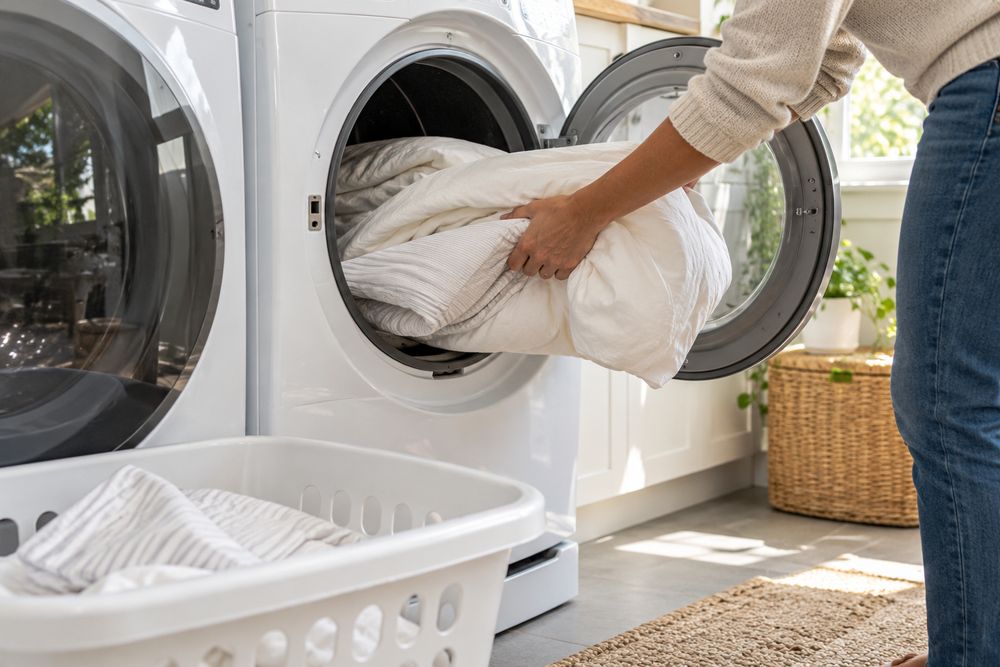 Hot dryer cycles are part of the prep
Prep is where homeowners make the biggest difference. We'll give you a written list, but the core of it is:
- Bag the bedding, curtains and clothes from affected rooms and run them through a hot dryer cycle. Keep the clean items sealed in new bags until we're done.
- Clear clutter off the floor and from under beds so we can reach the baseboards.
- Don't move furniture or sleep in a different room before treatment. That spreads them.
- Don't throw a mattress on the curb without wrapping it, or it can carry bed bugs to the next house.
The NC Department of Agriculture also keeps a page of bed bug information for homeowners and for anyone buying used mattresses or furniture.
Apartments, rentals and guest rooms
In an apartment or duplex, bed bugs can travel between units through walls and shared spaces, so the landlord or property manager needs to be involved. If you rent out a room or host short-term guests, a quick inspection between visitors catches a problem early, while it's still in one room.